Can Faith and Secular Ethics Unite? Civil Rights Movement
Sep 25, 2026
Can Faith and Secular Ethics Unite? Civil Rights Movement | A Case for God Ep. 24
What if two people care deeply about the same injustice but give different reasons for why it must end? Could they still stand together?
Introduction
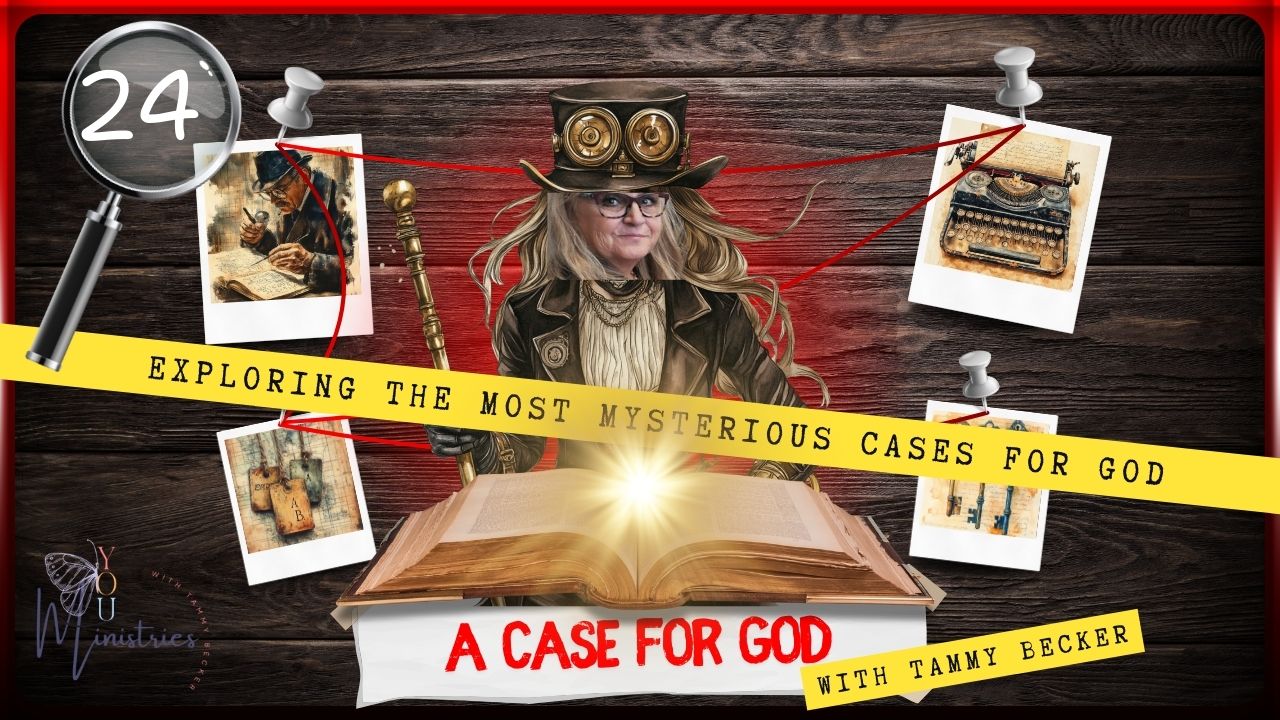
The American Civil Rights Movement brought together churches, community organizers, lawyers, students, and neighbors to challenge racial segregation and discrimination. Some spoke from biblical conviction; others made constitutional and human rights arguments. In Episode 24 of A Case for God, Tammy, founder of You Ministries, explores whether religious and secular ethics can work together for justice while asking what Scripture calls believers to do.
The question is practical. We regularly meet people who do not share our faith but who recognize a neighbor’s need. How can we cooperate honestly without setting aside the biblical reasons that guide us?
Why the Civil Rights Movement Still Matters Today
The movement’s work drew strength from Black churches and from many other people and organizations. Boycotts, marches, local organizing, and court challenges helped bring public attention to injustice and led to changes in law. Its participants were not identical in belief or strategy. They were able to find common cause in opposing segregation and protecting equal rights.
Dr. Martin Luther King Jr. openly connected the struggle for justice to his Christian faith. At the same time, legal advocates had to make arguments in courts that people across beliefs could examine. Each contribution mattered in its own setting. Their cooperation did not erase theological differences or make every moral view interchangeable.
Today, a church may meet a community group that cares about fair treatment, access to help, or the dignity of vulnerable neighbors. Working alongside others on a shared goal can be an expression of love. It also asks believers to remain clear about the source of their hope and to listen carefully to the people they seek to serve.
Key Scriptures for This Investigation
These passages draw our attention to what God asks of His people: to value each person, act justly, speak for those at risk of being overlooked, and love our neighbors. They give Christian readers a foundation for public action and thoughtful cooperation.
Genesis 1:27 (ESV)
“So God created man in his own image, in the image of God he created him; male and female he created them.”
Connection: The dignity of every person is grounded in God’s creation. For believers, this conviction gives depth to the work of resisting racial discrimination.
Micah 6:8 (ESV)
“He has told you, O man, what is good; and what does the LORD require of you but to do justice, and to love kindness, and to walk humbly with your God?”
Connection: Justice, kindness, and humility belong together. Christians can pursue a shared public good while seeking God’s guidance and resisting pride in their own efforts.
Proverbs 31:8–9 (ESV)
“Open your mouth for the mute, for the rights of all who are destitute. Open your mouth, judge righteously, defend the rights of the poor and needy.”
Connection: This call to speak for people whose needs are easily ignored gives advocacy a personal shape. It begins with hearing those affected and using our voice responsibly.
Matthew 22:39 (ESV)
“You shall love your neighbor as yourself.”
Connection: Jesus makes love of neighbor central to life with God. Cooperation on a particular act of care can be possible even when people give different answers about the deepest reason for that love.
These texts do not settle every disagreement between religious and secular ethics. They do show why Christians should care about justice in the lives of their neighbors, and why humility belongs in the way we pursue it.
Key Takeaways from the Investigation
- Let the dignity of each person shape the causes you support and the way you treat others.
- Work with neighbors on shared acts of justice while speaking honestly about your convictions.
- Listen to those affected by injustice before deciding what help or advocacy is needed.
👉 Watch the Full YouTube Lesson👈
Want the complete biblical investigation? Tammy explores the Civil Rights Movement, faith and secular moral reasoning, the Scriptures behind Christian concern for justice, and ways these questions reach our daily lives.
👉 Watch Episode 24 on YouTube Here 👈
In This Episode, You’ll Discover
- 📖 How Micah and Jesus connect faith with justice and love of neighbor.
- 🧠 How churches, activists, and legal advocates contributed to the Civil Rights Movement.
- 🔍 Where religious and secular ethical approaches can share a goal.
- 🙏 Why cooperation calls for humility and clarity about our convictions.
- 💡 How to take a thoughtful step toward serving a neighbor today.
Join the Conversation
Have you ever worked with someone who shared your concern for a person or cause but understood the “why” differently? What did that experience teach you? Share your thoughts in the comments on the YouTube lesson. Like, subscribe, and turn on notifications to follow A Case for God.
Want to Go Deeper?
If you love to create, create, create—the Faith Pod is for you!

Every week you’ll receive Bible journal pages, printable resources, in-depth lessons, devotionals, and special monthly bonuses designed to help you dig deeper into God’s Word while following along with each episode of A Case for God.
Conclusion and Weekly Reflection
The Civil Rights Movement shows what people of differing convictions accomplished when they organized against racial injustice. For Christians, Scripture gives a reason to honor every person and a call to practice justice, kindness, humility, and neighborly love. Those truths should shape both our actions and the way we work with others.
This week, take an honest inventory of one need in your community. Ask yourself: Whose voice have I not heard? Is there a practical step I could take with a neighbor who cares about this need, even if we see some things differently?
God calls His people to love their neighbors and gives wisdom as they seek to do so. In Christ, you are invited to serve with conviction, humility, and care.
Next Episode Preview
Join us next week as we examine the story of Job and explore a difficult question: If God is all-powerful and loving, why does suffering exist?
CHECK OUT THE FULL CAMPFIRE EXPERIENCE HERE:
Make sure to read through the entire page because somewhere along the trail....there lies a FREEBIE for he taking!
Download a FREE digital Bible Journaling Page for the Prophetic Pattern
Share your design talents with the world.


Founder YOU Ministries