Why Do Innocent People Suffer? The Holocaust Investigation
Sep 25, 2026
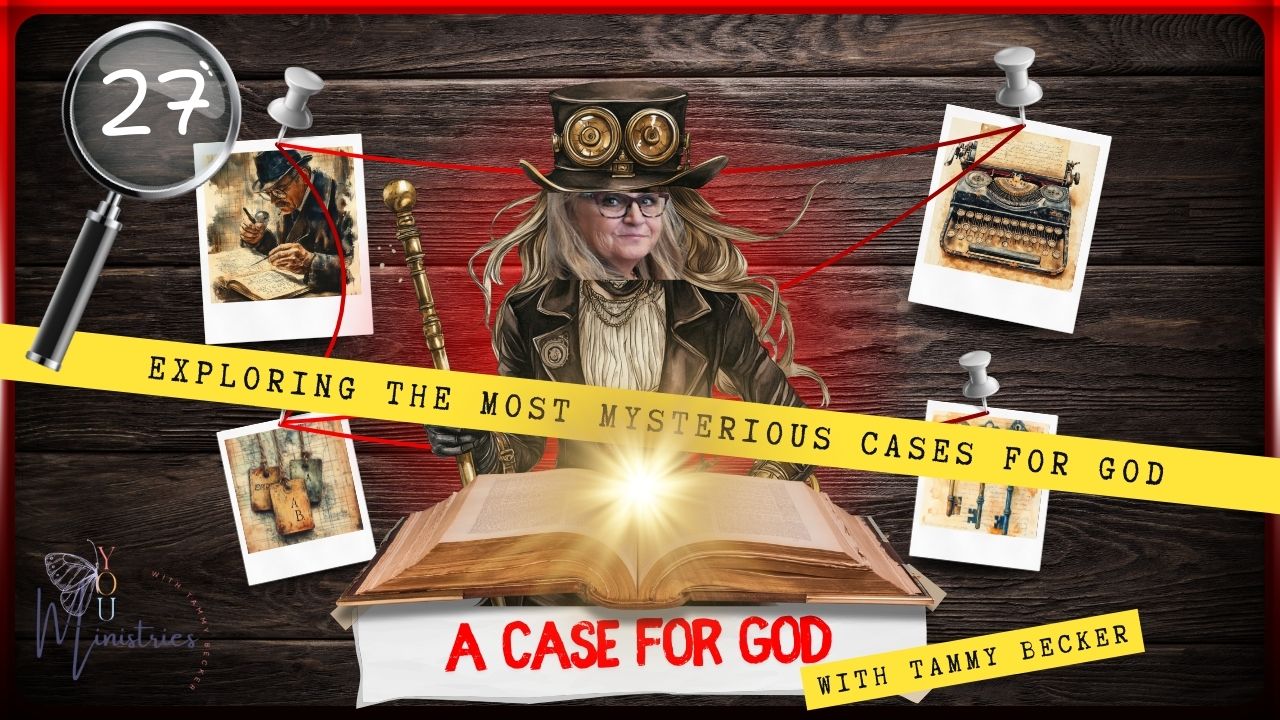
Why Do Innocent People Suffer? The Holocaust Investigation | A Case for God Ep. 27
What can we say about faith when people have suffered deliberate cruelty that no explanation could make acceptable?
Introduction
The Holocaust was the Nazi regime’s systematic persecution and murder of six million Jews, alongside the persecution and murder of millions of other people. The victims were people with names, families, communities, and lives of their own. In Episode 27 of A Case for God, Tammy, founder of You Ministries, considers the question of innocent suffering in light of this history and turns to Scripture for language of lament and hope.
This is a subject that calls for careful listening. A theological argument cannot explain away what happened or assign a purpose to another person’s loss. We can ask hard questions while remembering the human lives at the center of them.
Why This Investigation Still Matters Today
The Holocaust was carried out through human decisions: discriminatory laws, dispossession, deportation, imprisonment, and mass murder. Recognizing human responsibility matters. It directs our attention to what people did, what others allowed, and the continuing duty to resist antisemitism and dehumanization.
The question of why God permitted such suffering remains painful. Some Christians discuss freedom as one way to understand how human beings can choose evil. That argument does not tell us why a particular person suffered or why God did not intervene in a particular moment. It should never be offered to a survivor or a grieving family as if it settled their pain.
Scripture gives a different place to begin. It lets us cry out against violence, ask where God is in trouble, and hear Jesus speak honestly about hardship. Those words do not erase grief. They can help believers pray without pretending to have an answer they do not possess.
Key Scriptures for This Investigation
These three passages from the lesson make room for protest, the feeling of distance, and hope in Christ. They are words for a Christian response to suffering; they should not be used to impose a Christian interpretation on Jewish victims or survivors of the Holocaust.
Habakkuk 1:2 (ESV)
“O LORD, how long shall I cry for help, and you will not hear? Or cry to you “Violence!” and you will not save?”
Connection: The prophet addresses God directly about violence. Lament is a biblical response to injustice, and a prayer may begin with a question rather than an explanation.
Psalm 10:1 (ESV)
“Why, O LORD, do you stand far away? Why do you hide yourself in times of trouble?”
Connection: The psalm gives honest words to the experience of feeling abandoned. We can listen to that cry without telling a suffering person to silence it.
John 16:33 (ESV)
“I have said these things to you, that in me you may have peace. In the world you will have tribulation. But take heart; I have overcome the world.”
Connection: Jesus does not deny that His followers will face trouble. For Christians, His words offer hope without asking anyone to call an atrocity good.
Read together, these passages invite truthful prayer and humble care. They leave room for unanswered questions while calling believers to face suffering and violence rather than turn away.
Key Takeaways from the Investigation
- Remember the victims as people, and refuse explanations that diminish their suffering.
- Bring grief and protest to God in honest prayer, even when answers remain distant.
- Resist antisemitism and other forms of dehumanization in the choices and conversations before you.
👉 Watch the Full YouTube Lesson👈
Want the complete biblical investigation? Tammy discusses the Holocaust as a historical case study, the philosophical question of human freedom and evil, and the Scriptures that make room for lament and Christian hope.
👉 Watch Episode 27 on YouTube Here 👈
In This Episode, You’ll Discover
- 📖 How Habakkuk and Psalm 10 give voice to questions about violence and suffering.
- 🧠 Why deliberate human choices matter when we discuss the Holocaust.
- 🔍 What a free will argument can address and what it leaves unanswered.
- 🙏 How to lament without forcing a quick resolution.
- 💡 How remembrance can shape acts of care and resistance to prejudice.
Join the Conversation
How can we listen well when someone shares a painful story that we cannot explain? If you wish to share, leave a thoughtful comment on the YouTube lesson. Like, subscribe, and turn on notifications to follow A Case for God.
Want to Go Deeper?
If you love to create, create, create—the Faith Pod is for you!

Every week you’ll receive Bible journal pages, printable resources, in-depth lessons, devotionals, and special monthly bonuses designed to help you dig deeper into God’s Word while following along with each episode of A Case for God.
Conclusion and Weekly Reflection
The Holocaust confronts us with a history of immense loss caused by human hatred and organized violence. Scripture does not ask us to make that loss fit a neat explanation. Habakkuk and the psalmist cry out; Jesus tells His followers that trouble is real. As Christians, we can bring our questions to God while honoring the people who suffered and taking responsibility for the way we treat others now.
This week, take an honest inventory of how you respond to another person’s pain. Ask yourself: Am I listening, or am I rushing to explain? Is there a prejudice I need to challenge, or a person I can help?
God hears honest lament and calls us to care for our neighbors. In Christ, you are invited to bring your questions to Him and to act with compassion in the world around you.
Next Episode Preview
Join us next week as we examine the story of the Fall in Genesis and explore a difficult question: Is evil necessary for free will?
GET THE FREE DEVOTIONALS:
Sign up now and get 52 weeks of Christian Devotionals for Entrepreneurs sent directly to your inbox.
Download a FREE digital Micro Bible Journaling Page
Share your design talents with the world.