Is Evil Necessary for Free Will? The Eden Investigation
Sep 25, 2026
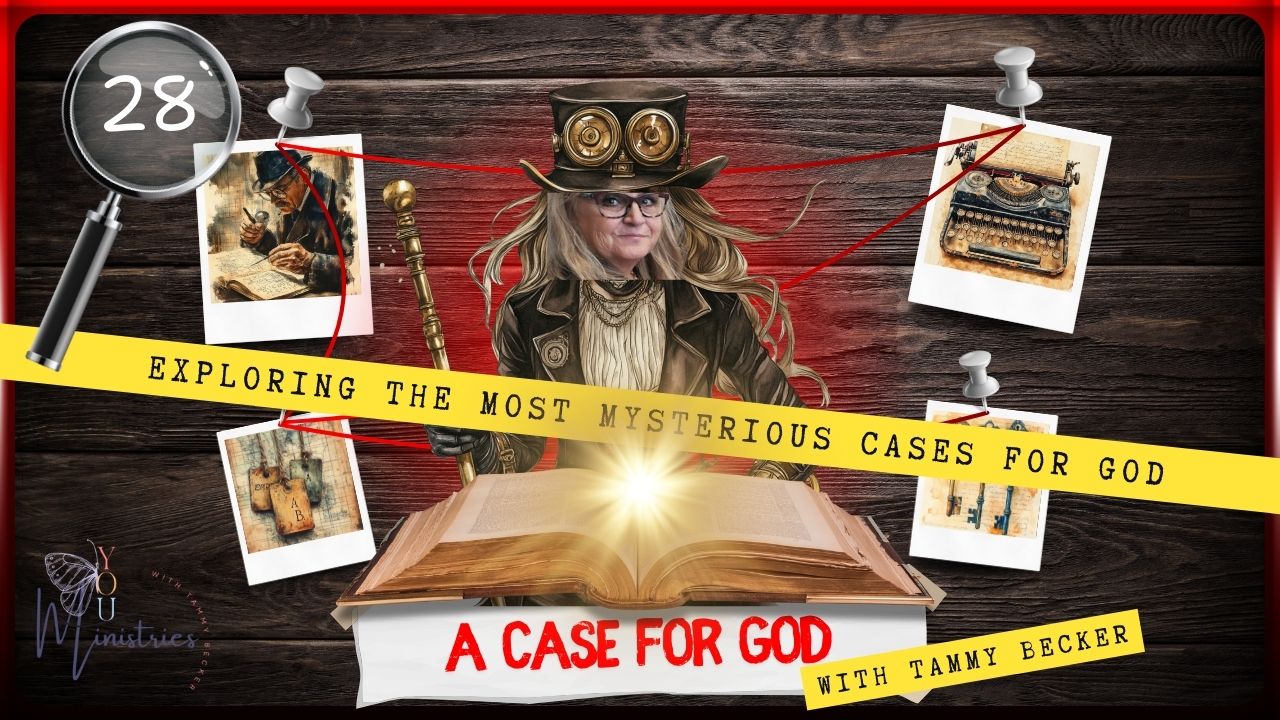
Is Evil Necessary for Free Will? The Eden Investigation | A Case for God Ep. 28
What if a real choice includes the possibility of choosing badly? Does that mean evil itself had to happen?
Introduction
In the Garden of Eden, God gives Adam abundant provision and a boundary. The serpent later questions God’s word, and Adam and Eve disobey. In Episode 28 of A Case for God, Tammy, founder of You Ministries, studies this account alongside a difficult philosophical question: Is evil necessary for free will? The story invites us to examine what human choice, trust, and responsibility mean before God.
The question follows last week’s discussion of innocent suffering. It deserves care: explaining how people can choose evil does not make the harm caused by their choices necessary or good.
Why the Eden Investigation Still Matters Today
We make choices inside relationships every day. A promise can be kept or broken. A need can be met or ignored. The fact that we can choose love gives weight to our actions, and the possibility of doing harm gives weight to our responsibility.
Some Christian thinkers use a free will defense to argue that genuine moral freedom includes the possibility of wrongdoing. Genesis describes a divine command, a temptation, a human decision, and painful consequences. It does not offer a formal proof that every instance of evil had to occur. That distinction helps us resist treating someone else’s suffering as the unavoidable price of another person’s freedom.
Eden also speaks to a quieter question in our own lives: When a boundary frustrates us, do we assume God is withholding something good? The serpent directs attention away from God’s generous provision and toward suspicion of His word. The account asks us to listen carefully to what God actually says and to take responsibility for the choices we make.
Key Scriptures for This Investigation
These three passages from the lesson trace the command in Eden, the spread of sin and death, and the New Testament call to use freedom in love. They offer a biblical foundation for the discussion while leaving the philosophical question open for careful reflection.
Genesis 2:16–17 (ESV)
“And the LORD God commanded the man, saying, “You may surely eat of every tree of the garden, but of the tree of the knowledge of good and evil you shall not eat, for in the day that you eat of it you shall surely die.””
Connection: God’s instruction begins with generous permission before naming a limit. The boundary makes obedience meaningful and gives a serious warning about disobedience.
Romans 5:12 (ESV)
“Therefore, just as sin came into the world through one man, and death through sin, and so death spread to all men because all sinned—”
Connection: Paul connects the entrance of sin and death to humanity’s story. Our choices have consequences beyond ourselves, and the problem cannot be addressed by pretending sin is harmless.
Galatians 5:13 (ESV)
“For you were called to freedom, brothers. Only do not use your freedom as an opportunity for the flesh, but through love serve one another.”
Connection: For believers, freedom is a call to loving service. This turns the discussion from what we can choose toward how we ought to treat the people around us.
Taken together, these Scriptures show that human choice matters and that God calls His people to use freedom well. They do not require us to call evil a good thing in order to affirm that God remains good.
Key Takeaways from the Investigation
- Receive God’s instruction as a guide for trust and life, and read it in its full context.
- Take responsibility for choices that affect the well-being of others.
- Use the freedom you have today to serve someone in love.
👉 Watch the Full YouTube Lesson👈
Want the complete biblical investigation? Tammy walks through the Fall in Genesis, the free will defense, the consequences Paul describes in Romans, and the practical call to loving service.
👉 Watch Episode 28 on YouTube Here 👈
In This Episode, You’ll Discover
- 📖 How God’s command in Eden presents both provision and a boundary.
- 🧠 What the free will defense proposes about moral choice.
- 🔍 Why the possibility of evil and the claim that evil was necessary are different questions.
- 🙏 How trust in God shapes everyday decisions.
- 💡 What it means to use freedom to serve a neighbor.
Join the Conversation
Have you ever discovered that a boundary you resisted was meant for your good or for the good of someone else? Share your thoughts in the comments on the YouTube lesson. Like, subscribe, and turn on notifications to follow A Case for God.
Want to Go Deeper?
If you love to create, create, create—the Faith Pod is for you!

Every week you’ll receive Bible journal pages, printable resources, in-depth lessons, devotionals, and special monthly bonuses designed to help you dig deeper into God’s Word while following along with each episode of A Case for God.
Conclusion and Weekly Reflection
The story of Eden presents a command, a human choice, and consequences that reach beyond one moment. Scripture then calls believers to use freedom in love. We can consider the philosophical relationship between freedom and the possibility of evil while admitting that no argument turns an act of cruelty into something necessary or right.
This week, take an honest inventory of one choice before you. Ask yourself: Am I listening to God’s word, or only to the outcome I want? Who will be affected by what I decide? What would loving service look like here?
God gives guidance and calls His people to love one another. In Christ, you are invited to turn toward Him and use your freedom with care.
Next Episode Preview
Join us next week as we examine the suffering of Jesus Christ and explore a powerful question: Can suffering serve a higher purpose?
GET THE FREE DEVOTIONALS:
Sign up now and get 52 weeks of Christian Devotionals for Entrepreneurs sent directly to your inbox.
Download a FREE digital Micro Bible Journaling Page
Share your design talents with the world.