How Can a Loving God Judge? Dante’s Inferno Investigation
Sep 25, 2026
How Can a Loving God Judge? Dante’s Inferno Investigation | A Case for God Ep. 26
What if the picture of hell in your mind came more from a poem than from the words of Scripture?
Introduction
Dante Alighieri’s Inferno has shaped the way many people imagine hell. Its circles and carefully matched punishments make for memorable literature, but they also raise a deeply personal question: How can a loving God judge? In Episode 26 of A Case for God, Tammy, founder of You Ministries, uses Dante’s work as a case study and turns to the Bible to consider God’s justice, the seriousness of judgment, and His patience toward people.
This subject may stir fear, grief for someone we love, or questions we have carried for years. We can approach it honestly and allow Scripture to speak before settling on an image drawn from art.
Why Dante’s Inferno Still Matters Today
Written in the early fourteenth century as part of The Divine Comedy, Inferno imagines a journey through nine circles of hell. Dante places figures from history and literature within a detailed moral order. Readers have found his images compelling for centuries. Yet the poem is a work of fiction, and its geography, residents, and precise punishments are Dante’s literary choices.
That distinction matters when a vivid picture begins to stand in for a biblical text. The Bible speaks seriously of judgment, but we should not present Dante’s circles as if Jesus described them. Nor does the poem answer every difficult question about a person’s responsibility, God’s mercy, or the final fate of someone we know.
The story invites a better habit: return to what Scripture says, read passages in context, and acknowledge where faithful Christians differ about details of final judgment. The urgency of the question need not make us careless with God’s Word or with someone else’s fears.
Key Scriptures for This Investigation
The lesson anchors its discussion in three passages. They speak about God’s character, Jesus’ warning about judgment, and the Lord’s patient call to repentance. Holding them together helps us listen to the whole question.
Deuteronomy 32:4 (ESV)
“The Rock, his work is perfect, for all his ways are justice. A God of faithfulness and without iniquity, just and upright is he.”
Connection: God’s justice is tied to His faithfulness and upright character. We can trust that He judges rightly even when our understanding of particular outcomes is limited.
Matthew 25:46 (ESV)
“And these will go away into eternal punishment, but the righteous into eternal life.”
Connection: Jesus speaks with gravity about final judgment. His words deserve careful attention; Dante’s details should not be read back into this verse.
2 Peter 3:9 (ESV)
“The Lord is not slow to fulfill his promise as some count slowness, but is patient toward you, not wishing that any should perish, but that all should reach repentance.”
Connection: Peter directs us to God’s patience. The call to repentance belongs alongside the Bible’s warnings, giving this conversation a present invitation rather than only a frightening image of the future.
Christian traditions understand some aspects of hell and final punishment differently. These verses keep our attention on what the lesson asks us to consider together: God is just, Jesus’ warning is serious, and the Lord is patient.
Key Takeaways from the Investigation
- Let Scripture, rather than an artistic image, shape what you say about God and judgment.
- Hold God’s justice and His patience together when you study a difficult doctrine.
- Make room for honest questions and speak with care to people who fear for someone they love.
👉 Watch the Full YouTube Lesson👈
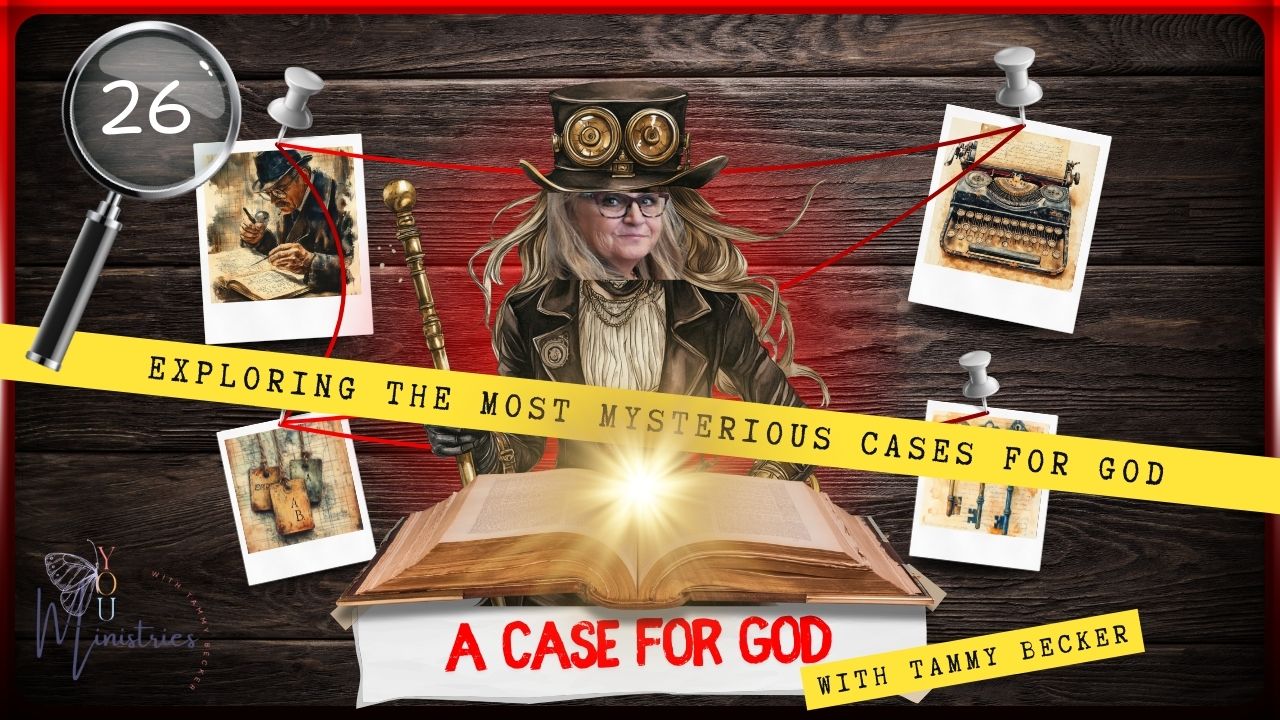
Want the complete biblical investigation? Tammy walks through Dante’s Inferno, its influence on popular pictures of hell, the lesson’s key Scriptures, and the questions of love, justice, and human response that follow.
👉 Watch Episode 26 on YouTube Here 👈
In This Episode, You’ll Discover
- 📖 What Deuteronomy, Matthew, and 2 Peter say in this discussion.
- 🧠 How Dante’s poem shaped Western images of hell.
- 🔍 Where a literary picture and a biblical passage must be distinguished.
- 🙏 How God’s patience calls us to consider repentance today.
- 💡 How to discuss judgment with humility and compassion.
Join the Conversation
Have you ever discovered that an image you associated with the Bible came from a story or painting instead? What changed when you returned to the passage itself? Share your thoughts in the comments on the YouTube lesson. Like, subscribe, and turn on notifications to follow A Case for God.
Want to Go Deeper?
If you love to create, create, create—the Faith Pod is for you!

Every week you’ll receive Bible journal pages, printable resources, in-depth lessons, devotionals, and special monthly bonuses designed to help you dig deeper into God’s Word while following along with each episode of A Case for God.
Conclusion and Weekly Reflection
Dante’s Inferno gives us a lasting literary image of judgment. Scripture asks us to look beyond that image to the God whose ways are just, to Jesus’ sober words, and to the Lord who patiently calls people to repentance. We may still carry questions, but we can bring them to the biblical text with care.
This week, take an honest inventory of the picture of God that comes to mind when you hear the word judgment. Ask yourself: Which part comes from Scripture, and which part may come from a story or assumption? Read one of the passages above slowly and bring your questions to God in prayer.
God is faithful and just, and His patience gives us reason to turn toward Him. In Christ, you are invited to seek His truth without hiding your questions.
Next Episode Preview
Join us next week as we examine the Holocaust and explore an anguished question: Why do innocent people suffer?
GET THE FREE DEVOTIONALS:
Sign up now and get 52 weeks of Christian Devotionals for Entrepreneurs sent directly to your inbox.
Download a FREE digital Micro Bible Journaling Page
Share your design talents with the world.