Can We Judge the Past Fairly? Christopher Columbus
Sep 25, 2026Can We Judge the Past Fairly? Christopher Columbus | A Case for God (Ep. 22)
What if you could name the harm a historical figure caused while admitting that you cannot see everything that shaped that person’s choices?
Introduction
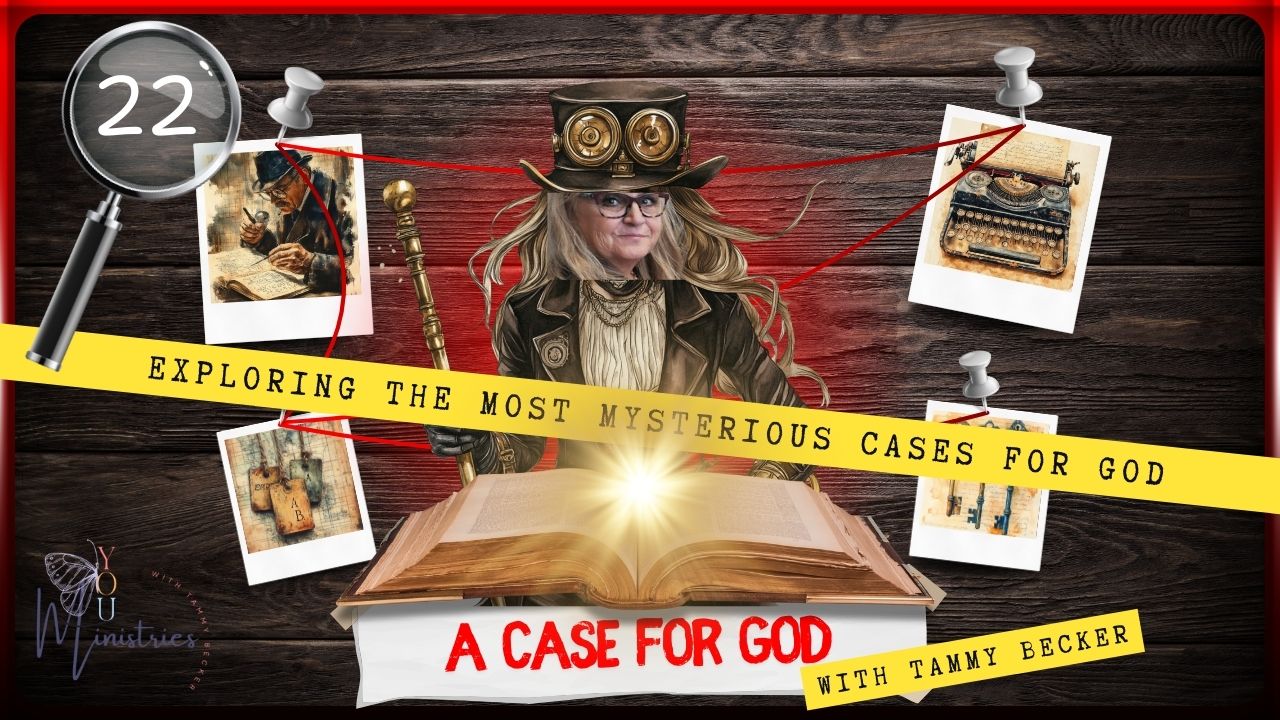
Christopher Columbus is often remembered for his Atlantic voyages. His name also brings up the suffering of Indigenous peoples under conquest and colonization. In Episode 22 of A Case for God, Tammy, founder of You Ministries, considers how Christians can look honestly at this difficult legacy while taking Scripture seriously about judgment, human dignity, and the limits of our own knowledge.
This is a question bigger than one explorer. When we encounter a troubling account from the past, how do we resist both the urge to excuse harm and the urge to speak as though we know every motive?
Why the Christopher Columbus Investigation Still Matters Today
A history lesson can become a test of how we respond to people in the present. We may know a few actions, a public reputation, or a headline, then assume we understand an entire life. The same habit can shape our conversations about leaders, neighbors, and even people in our own families.
Columbus’s voyages connected Europe and the Americas, and the colonial enterprise that followed brought deep injury to Indigenous communities. Historical context helps us understand the circumstances in which choices were made. It does not make exploitation or violence good. Scripture calls us to tell the truth about what people did while remembering that God sees more fully than we do.
That leaves room for a thoughtful question: What can we learn from this history that changes the way we treat people now?
Key Scriptures for This Investigation
The Bible does not give us a single formula for assessing every person in history. These four passages give us a way to approach the work: examine ourselves, recognize God’s knowledge of the heart, and trust His righteous judgment.
Matthew 7:1 (ESV)
“Judge not, that you be not judged.”
Connection: Jesus warns against hypocritical judgment and calls us to address our own blindness. His words invite humility when we assess someone else’s conduct; they do not require us to call harmful acts harmless.
1 Samuel 16:7 (ESV)
“For the LORD sees not as man sees: man looks on the outward appearance, but the LORD looks on the heart.”
Connection: We can examine documented actions and consequences. We cannot claim God’s complete knowledge of a person’s inner life or ultimate standing before Him.
Romans 2:1–2 (ESV)
“Therefore you have no excuse, O man, every one of you who judges. For in passing judgment on another you condemn yourself, because you, the judge, practice the very same things. We know that the judgment of God rightly falls on those who practice such things.”
Connection: Paul turns the spotlight on the person passing judgment. God’s judgment is true, and our own need for repentance should shape how we speak about the failings of others.
John 8:7 (ESV)
“Let him who is without sin among you be the first to throw a stone at her.”
Connection: Jesus confronts the accusers’ readiness to condemn. His words press us toward honest self-examination and mercy as we consider another person’s wrongs.
Together, these passages give us a posture for studying the past: look closely, speak truthfully, and remain humble before the God who judges rightly.
Key Takeaways from the Investigation
- Name the harm that history records, and take seriously the people who suffered it.
- Seek context to understand human decisions more carefully while trusting God with what only He can know.
- Let the history you study shape how you practice justice, humility, and mercy today.
👉 Watch the Full YouTube Lesson👈
Want to follow the complete biblical investigation? Tammy walks through the Columbus case study, the tension between cultural context and enduring moral truth, and the Scriptures that guide our response.
👉 Watch Episode 22 on YouTube Here 👈
In This Episode, You’ll Discover
- 📖 How Matthew 7 and Romans 2 challenge self-righteous judgment.
- 🧠 Why Columbus’s legacy raises questions about historical context and moral accountability.
- 🔍 What we can and cannot know when evaluating a person from another century.
- 🙏 How humility and mercy can shape our response to painful history.
- 💡 How to bring greater care to the judgments we make in everyday life.
Join the Conversation
Have you ever changed your view of a historical figure after learning more about the people affected by their actions? Share your thoughts in the comments on the YouTube lesson. Like, subscribe, and turn on notifications to join us for the next episode of A Case for God.
Want to Go Deeper?
If you love to create, create, create—the Faith Pod is for you!

Every week you’ll receive Bible journal pages, printable resources, in-depth lessons, devotionals, and special monthly bonuses to help you dig deeper into God’s Word while following along with A Case for God.
Conclusion and Weekly Reflection
Columbus’s story asks us to hold several things in view at once: the record of his voyages, the suffering bound up with colonization, and the limits of what we can know about any one person’s heart. Scripture brings that question home. Jesus asks us to examine ourselves, and Paul reminds us that God’s judgment is righteous.
This week, notice a moment when you form a quick opinion of someone. Ask yourself: Have I listened to the people affected? Have I considered what I know and what I am assuming? How can I speak with both truth and humility?
God sees what we cannot see, and He calls us to care about those harmed by human choices. In Christ, you are invited to receive His mercy and to extend thoughtful care to others.
Next Episode Preview
Join us next week as we examine the Nuremberg Trials and explore a powerful question: Is morality shaped only by the rules of a time and place, or are some truths about right and wrong binding across cultures?
GET THE FREE DEVOTIONALS:
Sign up now and get 52 weeks of Christian Devotionals for Entrepreneurs sent directly to your inbox.
Download a FREE digital Micro Bible Journaling Page
Share your design talents with the world.