Is There a Moral Law? The Thomas Aquinas Investigation
Sep 24, 2026
Is There a Moral Law? The Thomas Aquinas Investigation | Ep. 21
What if our ability to recognize a wrong, even when no one has explained a rule to us, points to something deeper about human nature?
Introduction
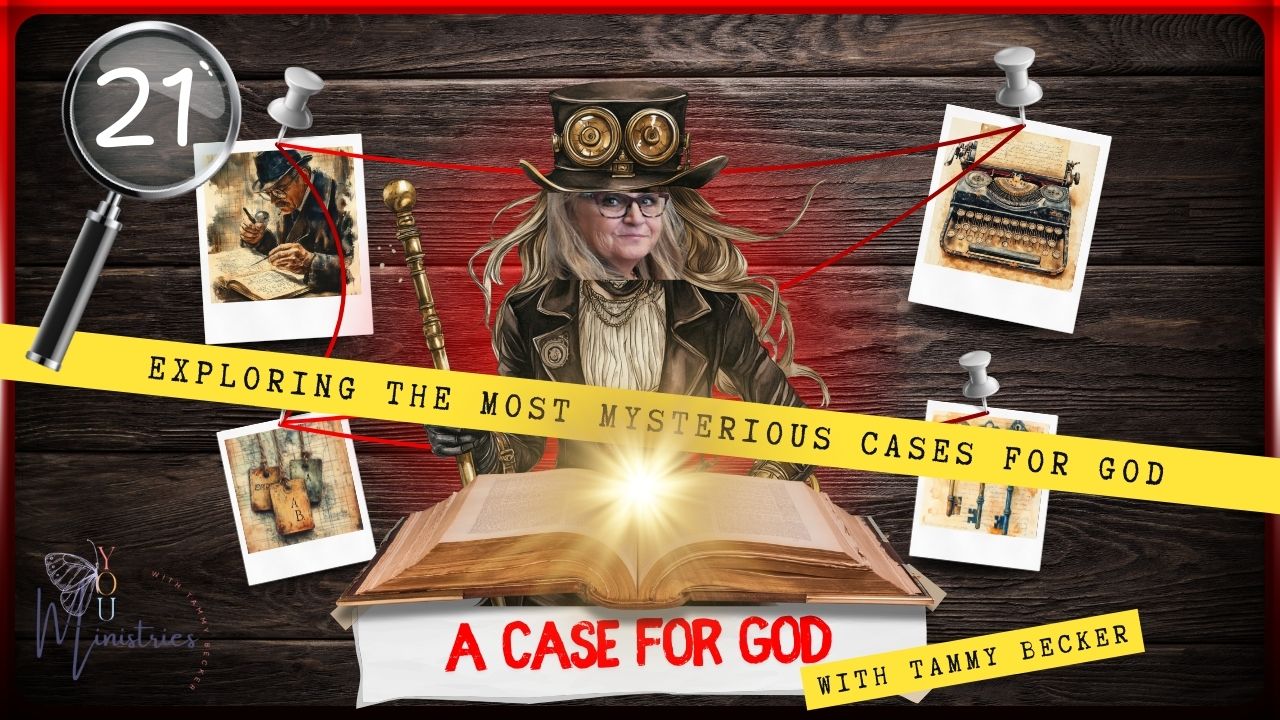
Thomas Aquinas considered how human reason, conscience, and God’s law relate. His account of natural law still shapes conversations about whether some moral truths apply across cultures and beliefs. In Episode 21 of A Case for God, Tammy, founder of You Ministries, explores Aquinas’s ideas alongside Scripture and asks whether a universal moral law can be known—and how we ought to live if it can.
Why Aquinas and Natural Law Still Matter Today
We may disagree about many ethical questions, yet people in very different places speak of fairness, responsibility, and the wrong of betraying trust. Aquinas argued that human beings can use reason to recognize aspects of the good because they belong to a created order. His proposal does not mean everyone reaches the same conclusion in every case. Culture, self-interest, and experience all influence our judgments.
The distinction matters in everyday conversations. If someone without faith acts justly, a Christian need not deny the goodness of that act. If two sincere people disagree about a hard choice, merely announcing that morality is universal does not settle the dispute. Aquinas invites us to reason together about what serves human life and community; Scripture invites us to examine both the content of our convictions and the condition of our hearts.
For believers, natural law can be a bridge for discussing the good with neighbors who do not share our beliefs. It is not a replacement for the gospel. The Christian story tells us more than that moral duties exist: it speaks of the God who creates us, knows our failures, and calls us to love Him and our neighbors. The aim is a life shaped by truth, humility, and mercy, not a victory in an argument.
Key Scriptures for This Investigation
These passages address conscience, God’s revelation in creation, and His word to Israel. Reading each in context prevents us from asking a verse to carry more than it says about Aquinas’s later theory.
Romans 2:14–15 (ESV)
“They show that the work of the law is written on their hearts, while their conscience also bears witness”
Connection: Paul recognizes moral action and conscience among Gentiles who lack the Mosaic law. His wider argument also shows why conscience alone does not make us righteous.
Psalm 19:1 (ESV)
“The heavens declare the glory of God, and the sky above proclaims his handiwork.”
Connection: Creation points the psalmist toward its Maker. The psalm later praises God’s law; it does not claim that observing the sky supplies every ethical rule.
Deuteronomy 30:14 (ESV)
“But the word is very near you.”
Connection: Moses addresses Israel about the command God has given. This is a call to hear and obey a revealed word, rather than a direct statement that every culture already knows its full contents.
Together these texts encourage a careful view: people can reason, recognize duties, and respond to conscience, while God’s instruction calls His people into a deeper obedience. We can pursue shared moral understanding and remain honest about the places where we differ.
Key Takeaways from the Investigation
- Recognize conscience and moral insight in your neighbors, including those who do not share your faith.
- Test your own judgments with Scripture, reason, and humility rather than assuming every instinct is trustworthy.
- Practice the justice and care you hope others will recognize as good.
👉 Watch the Full YouTube Lesson👈
Want the complete biblical investigation? Tammy walks through Thomas Aquinas and natural law, the role of reason and conscience, key Scriptures, and practical questions about a universal moral law that cannot all fit into this companion blog.
👉 Watch Episode 21 on YouTube Here👈
In This Episode, You’ll Discover
- 📖 How Romans describes the witness of conscience among Gentiles.
- 🧠 What Aquinas meant by reasoning about the good in a created world.
- 🔍 Why shared moral concerns do not erase real ethical disagreement.
- 🙏 How to seek God’s guidance rather than treating your first reaction as the final word.
- 💡 A way to discuss moral questions with a neighbor who sees the world differently.
Join the Conversation
Have you ever found common ground on a moral question with someone whose beliefs differ from yours? Share your thoughts in the comments on the YouTube lesson, and don’t forget to Like, Subscribe, and turn on notifications so you never miss another episode of A Case for God.
Want to Go Deeper?
If you love to create, create, create—the Faith Pod is for you!

Every week you’ll receive Bible journal pages, printable resources, in-depth lessons, devotionals, and special monthly bonuses designed to help you dig deeper into God’s Word while following along with each episode of A Case for God.
Conclusion and Weekly Reflection
Aquinas’s natural law account asks whether reason can recognize moral truth shared across human lives. Romans acknowledges the witness of conscience; the Psalms direct us to the Creator; Deuteronomy calls God’s people to respond to His word. These texts invite confidence that moral questions matter and humility about how well we understand and live out the answers.
This week, take an honest inventory of a conviction you consider obvious. Have you listened carefully to someone who sees the issue differently? Bring your reasoning before God, revisit the biblical passage you rely on, and ask what faithfulness requires of you in a specific relationship.
Remember: God gives wisdom as you seek Him and calls you to walk in truth and love. In Christ, you are free to admit what you still need to learn and to practice the good you already know.
Next Episode Preview
Join us next week as we consider how to assess the actions of people in the past and ask: Can we judge the morality of historical figures by today’s standards?
GET THE FREE DEVOTIONALS:
Sign up now and get 52 weeks of Christian Devotionals for Entrepreneurs sent directly to your inbox.
Download a FREE digital Micro Bible Journaling Page
Share your design talents with the world.