Can a Loving God Allow Hell? Medieval Views
Sep 24, 2026
Can a Loving God Allow Hell? Medieval Views | Ep. 12
What if our deepest struggle with hell comes not only from what Scripture says, but also from the images and assumptions we have inherited?
Introduction
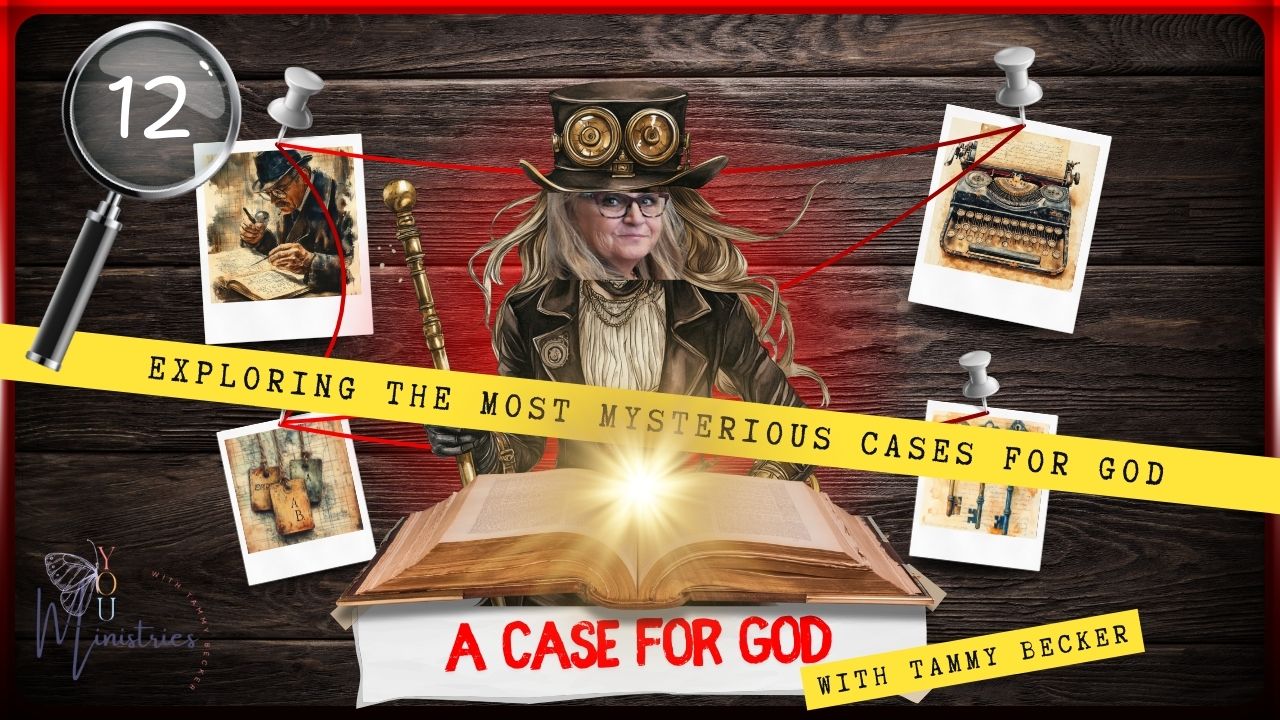
In a world that wants love without judgment and justice without final consequences, the doctrine of hell raises difficult questions about God’s character. In Episode 12 of A Case for God, Tammy, founder of You Ministries, examines medieval portrayals of hell, several Christian interpretations, and the biblical tension between God’s holiness, patience, mercy, and righteous judgment.
Why Medieval Views of Hell Still Matter Today
Many familiar images of hell were shaped by medieval sermons, paintings, cathedral art, and works such as Dante’s Inferno. These vivid portrayals made judgment feel immediate, but they also influenced popular imagination in ways that are not identical to the language or purpose of Scripture. When artistic details become mixed with biblical teaching, people may fear a caricature of God rather than wrestle honestly with what the Bible reveals.
Christians have not agreed on every detail concerning the nature or duration of final punishment. Traditional eternal conscious punishment, conditional immortality or annihilationism, and universal reconciliation represent distinct approaches, though they do not carry equal weight in every tradition. The disagreement should move us toward careful study rather than casual certainty. Scripture clearly treats judgment as serious while also revealing a God who is patient and calls people to repentance.
Key Scriptures for This Investigation
Throughout this episode, Scripture holds together truths we are often tempted to separate. God is holy and judges righteously, yet He is patient toward sinners and desires repentance. These passages invite sober reflection without reducing God to either anger without mercy or love without justice.
Matthew 10:28 (ESV)
“And do not fear those who kill the body but cannot kill the soul. Rather fear him who can destroy both soul and body in hell.”
Connection: Jesus speaks seriously about final accountability and redirects fear away from human threats toward God. His warning treats eternal matters as weighty and calls listeners to faithful allegiance.
2 Peter 3:9 (ESV)
“The Lord is not slow to fulfill his promise as some count slowness, but is patient toward you, not wishing that any should perish, but that all should reach repentance.”
Connection: Judgment is not presented as something God approaches with impatience. His delay displays mercy and gives room for repentance, revealing the loving heart behind His warning.
Revelation 20:14–15 (ESV)
“Then Death and Hades were thrown into the lake of fire. This is the second death, the lake of fire. And if anyone’s name was not found written in the book of life, he was thrown into the lake of fire.”
Connection: Revelation portrays the final defeat of death and evil with solemn imagery. Whatever questions remain about interpretation, the passage declares that rebellion, death, and all that opposes God will not continue forever.
Romans 2:5 (ESV)
“But because of your hard and impenitent heart you are storing up wrath for yourself on the day of wrath when God’s righteous judgment will be revealed.”
Connection: Paul connects judgment with persistent hardness and refusal to repent. God’s judgment is described as righteous, reminding us that He sees fully and judges more truly than any human court can.
Key Takeaways from the Investigation
- Let Scripture—not medieval artwork, popular sayings, or fear-based preaching—form your understanding of judgment and God’s character.
- God’s love and justice are not competing traits. His patience calls people to repentance, while His holiness takes evil and human choices seriously.
- Approach disagreements about hell with humility, studying the biblical language carefully and keeping Jesus at the center of the conversation.
👉 Watch the Full YouTube Lesson👈
Want the complete biblical investigation? Tammy walks through medieval Christian views of hell, key Scriptures, major theological interpretations, questions about freedom and justice, and practical applications that cannot fit into this companion blog.
👉 Watch Episode 12 on YouTube Here👈
In This Episode, You’ll Discover
- 📖 How Scripture holds together God’s righteous judgment and His desire for repentance.
- 🧠 How medieval art and literature shaped many familiar images of hell.
- 🔍 Why Christians have reached different conclusions about the nature and duration of final punishment.
- 🙏 How Jesus warns about judgment while providing the way to forgiveness and life.
- 💡 How to study this difficult doctrine without allowing fear or speculation to replace Scripture.
Join the Conversation
Have you ever discovered that an image or assumption you held about hell came more from culture than from Scripture? Share your thoughts in the comments on the YouTube lesson, and don’t forget to Like, Subscribe, and turn on notifications so you never miss another episode of A Case for God.
Want to Go Deeper?
If you love to create, create, create—the Faith Pod is for you!

Every week you’ll receive Bible journal pages, printable resources, in-depth lessons, devotionals, and special monthly bonuses designed to help you dig deeper into God’s Word while following along with each episode of A Case for God.
Conclusion and Weekly Reflection
This week, take an honest inventory of what has shaped your view of hell. Ask yourself: Are my beliefs grounded in the whole counsel of Scripture, or have fear, popular imagery, and unanswered questions been speaking more loudly?
The medieval case study shows how powerfully images can shape belief. Scripture brings us back to firmer ground: God judges righteously, remains patient toward sinners, and calls people to repentance. Jesus does not avoid the reality of judgment, but neither does He leave us without hope. Through His death and resurrection, He opens the way to reconciliation and life.
Remember: God’s warnings are not separate from His love. They reveal the seriousness of sin and the mercy of the One who calls us home before judgment comes.
You are invited to receive Christ’s grace, walk in truth, and rest in the goodness of the Judge who sees completely.
Next Episode Preview
Join us next week as we examine the problem of natural evil and explore a deeply personal question:
Why would a loving God permit natural disasters?
We’ll consider suffering beyond human control and ask where God is present when the world is shaken by pain, loss, and chaos.
GET THE FREE DEVOTIONALS:
Sign up now and get 52 weeks of Christian Devotionals for Entrepreneurs sent directly to your inbox.
Download a FREE digital Micro Bible Journaling Page
Share your design talents with the world.