Can Science Disprove God? The Galileo Case
Sep 24, 2026
Can Science Disprove God? The Galileo Case | Ep. 11
What if scientific discovery does not push God out of the picture, but gives us another reason to wonder at His creation?
Introduction
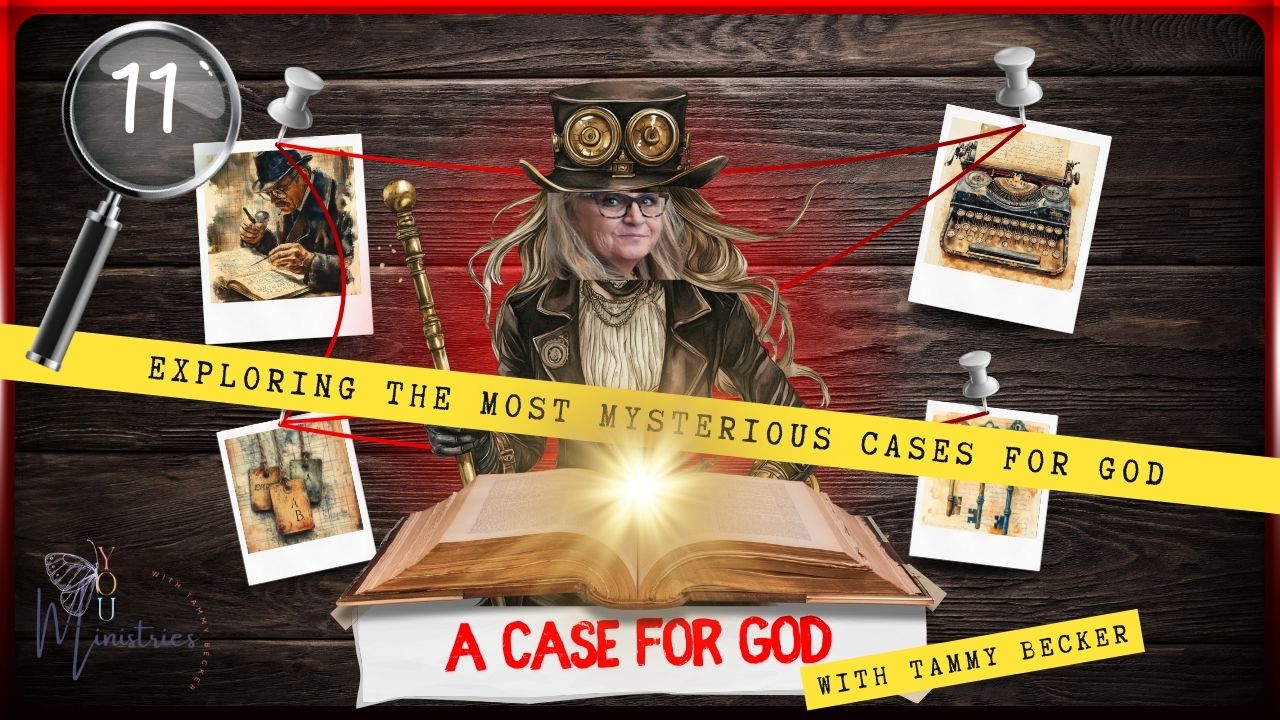
In a culture where science and faith are often presented as rivals, the story of Galileo Galilei reveals a more complicated picture. In Episode 11 of A Case for God, Tammy, founder of You Ministries, explores Galileo’s discoveries, the conflict surrounding heliocentrism, and why learning how creation works does not settle every question about its Creator.
Why the Galileo Case Still Matters Today
Many people assume that scientific progress steadily replaces belief in God. Yet science is designed to investigate the natural world through observation, measurement, and testable explanations. God’s existence is also a philosophical and theological question involving origin, meaning, purpose, and why there is an ordered universe to study at all. Science can challenge particular claims about nature, but its methods do not place every kind of truth under a microscope.
Galileo’s conflict also reminds believers to distinguish Scripture from our interpretations of Scripture. His telescopic observations supported a sun-centered model and challenged the accepted Earth-centered view. The controversy involved biblical interpretation, scientific evidence, institutional authority, and the political pressures of seventeenth-century Europe. The lesson is not that faith must retreat whenever science advances, but that humility is necessary whenever we interpret either God’s Word or God’s world.
Key Scriptures for This Investigation
Throughout this episode, Scripture presents creation as a witness to God’s glory while reminding us of the limits of human knowledge. The Bible does not discourage careful observation. It invites us to explore with wonder, humility, and confidence that all truth ultimately belongs to God.
Psalm 19:1–4 (ESV)
“The heavens declare the glory of God, and the sky above proclaims his handiwork. Day to day pours out speech, and night to night reveals knowledge. There is no speech, nor are there words, whose voice is not heard. Their voice goes out through all the earth, and their words to the end of the world.”
Connection: The created order communicates God’s glory without replacing His written Word. Studying the heavens can deepen wonder because creation is understood as handiwork rather than a rival explanation for God.
Romans 1:19–20 (ESV)
“For what can be known about God is plain to them, because God has shown it to them. For his invisible attributes, namely, his eternal power and divine nature, have been clearly perceived, ever since the creation of the world, in the things that have been made. So they are without excuse.”
Connection: Paul points from what has been made to the power and nature of the Maker. Scientific descriptions of natural processes do not answer every question about why such an intelligible creation exists.
Job 38:4–7 (ESV)
“Where were you when I laid the foundation of the earth? Tell me, if you have understanding. Who determined its measurements—surely you know! Or who stretched the line upon it? On what were its bases sunk, or who laid its cornerstone, when the morning stars sang together and all the sons of God shouted for joy?”
Connection: God’s questions humble Job without condemning the pursuit of knowledge. They remind us that human understanding, however valuable, remains partial before the wisdom of the Creator.
John 1:1–3 (ESV)
“In the beginning was the Word, and the Word was with God, and the Word was God. He was in the beginning with God. All things were made through him, and without him was not any thing made that was made.”
Connection: Christian faith centers creation in Jesus, the eternal Word. Exploring the universe need not move us away from Christ; it can direct our attention toward the One through whom all things were made.
Key Takeaways from the Investigation
- Believers do not need to fear honest scientific discovery; truth about creation can correct human interpretations without diminishing God.
- Faith grows stronger when it combines conviction with humility, recognizing the difference between Scripture and our current reading of it.
- When new evidence challenges an assumption, pause, learn, and seek wisdom before treating the issue as a threat to faith.
👉 Watch the Full YouTube Lesson👈
Want the complete biblical investigation? Tammy walks through the Galileo Affair, key Scriptures about creation, historical and philosophical questions surrounding science and faith, and practical applications that cannot fit into this companion blog.
👉 Watch Episode 11 on YouTube Here👈
In This Episode, You’ll Discover
- 📖 How Scripture presents the natural world as a witness to God’s glory and power.
- 🧠 What Galileo’s observations changed about humanity’s understanding of the heavens.
- 🔍 Why the Galileo Affair involved interpretation, authority, politics, and science—not a simple contest between faith and facts.
- 🙏 How Jesus, the eternal Word, anchors the Christian understanding of creation.
- 💡 How curiosity and humility can help believers engage new discoveries without fear.
Join the Conversation
Have you ever encountered a scientific discovery that challenged an assumption but eventually deepened your wonder? Share your thoughts in the comments on the YouTube lesson, and don’t forget to Like, Subscribe, and turn on notifications so you never miss another episode of A Case for God.
Want to Go Deeper?
If you love to create, create, create—the Faith Pod is for you!

Every week you’ll receive Bible journal pages, printable resources, in-depth lessons, devotionals, and special monthly bonuses designed to help you dig deeper into God’s Word while following along with each episode of A Case for God.
Conclusion and Weekly Reflection
This week, take an honest inventory of how you respond when information challenges a familiar interpretation. Ask yourself: Am I protecting an assumption out of fear, or am I willing to examine it carefully while remaining rooted in Scripture?
Galileo’s story shows the harm that can occur when authority, interpretation, and fear become tangled together. Biblical truth calls us toward a steadier posture. Creation declares God’s glory, human knowledge remains limited, and Jesus stands as the source of all that was made. Scientific discovery may reshape our understanding of the universe without removing the One who gave it existence.
Remember: God is not threatened by honest questions. He invites you to love Him with your heart and mind, pursue truth with humility, and allow wonder to become worship.
You are secure in Christ, free to keep learning, and invited to see His wisdom throughout creation.
Next Episode Preview
Join us next week as we examine the biblical teaching about hell and explore a powerful question:
Can divine love and eternal judgment coexist?
We’ll consider how Christians have understood eternal punishment and what this difficult doctrine reveals about God’s holiness, justice, mercy, and love.
GET THE FREE DEVOTIONALS:
Sign up now and get 52 weeks of Christian Devotionals for Entrepreneurs sent directly to your inbox.
Download a FREE digital Micro Bible Journaling Page
Share your design talents with the world.